Protecting people, property, and information is a critical responsibility for any commercial organization. As businesses grow, security risks also increase. These risks may include unauthorized access, theft, vandalism, or operational disruptions. A well-designed commercial security system helps reduce these threats. It also supports business continuity and workplace safety.
Designing an effective security system involves more than installing cameras or alarms. It requires careful planning & a clear understanding of business needs. Each organization has unique risks and operational requirements. By addressing key design considerations early, businesses can build a security system that is reliable, scalable, and aligned with long-term goals.
Understanding the Business Environment and Risk Profile
Every business operates in a different environment. Each environment presents its own security challenges. A warehouse, for example, faces different risks than a corporate office or retail store. A proper risk assessment is essential. It helps identify potential threats such as unauthorized entry, internal theft, or vandalism.
High-risk areas should be clearly defined. These may include entrances, loading docks, server rooms, or restricted zones. Understanding these risks allows businesses to focus security efforts where they matter most.
Defining Clear Security Objectives
Clear security objectives guide the entire system design. Without defined goals, security solutions can become ineffective or inefficient. Businesses should determine what they want the system to achieve. Objectives may include controlling access, monitoring activity, protecting assets, or meeting compliance requirements.
Some organizations may prioritize loss prevention. Others may focus on employee safety or data protection. Clear objectives ensure that the security system supports real operational needs.
Designing Scalable and Flexible Systems
Businesses change over time. They grow, add employees, and expand facilities. A security system must be able to grow with them. Scalable systems allow new devices to be added without major redesigns. This includes cameras, access control points, and sensors. Flexible systems also support emerging technologies. Designing with scalability in mind helps avoid costly replacements in the future.
Integrating Multiple Security Technologies
Modern commercial security systems rely on multiple technologies. These often include video surveillance, access control, intrusion detection, and alarm systems. Integration allows these systems to work together. For example, an access event can trigger video recording. An alarm can notify monitoring staff instantly. A unified system improves visibility and response times. It also simplifies management by providing centralized control.
Selecting the Right Video Surveillance Solutions
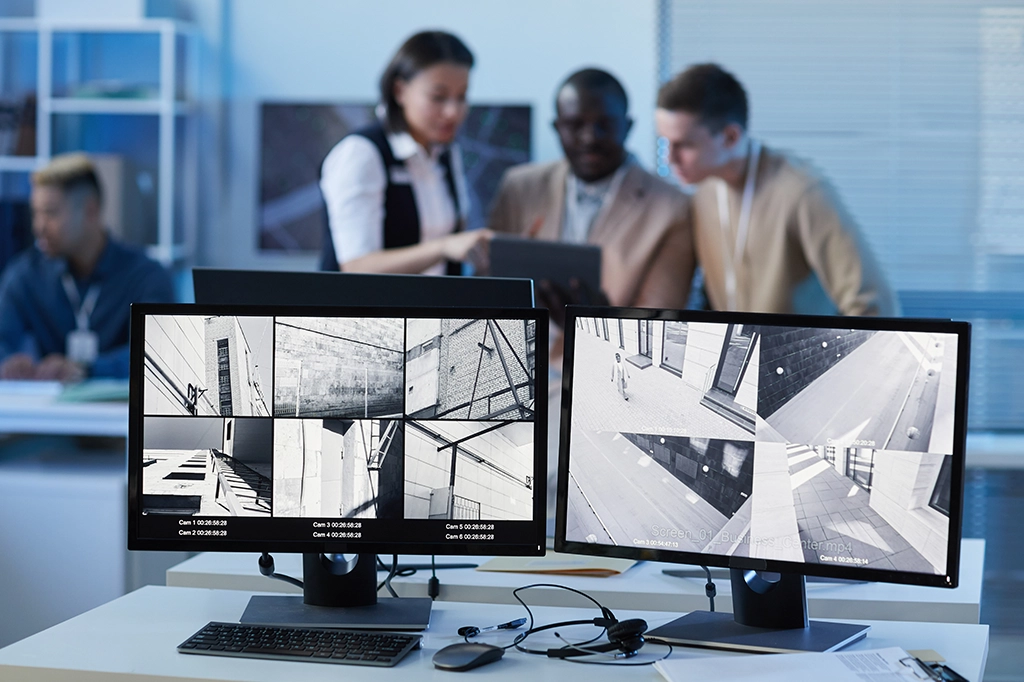
Video surveillance plays a key role in commercial security. However, not all cameras serve the same purpose. Camera selection should consider resolution, coverage area, and lighting conditions. High-resolution cameras provide clearer images. Wide-angle lenses reduce blind spots. Low-light and infrared capabilities support nighttime monitoring. Advanced features like motion detection and analytics can further enhance security effectiveness.
Implementing Effective Access Control
Access control determines who can enter specific areas of a facility. It is critical for protecting sensitive locations. Modern access control systems use keycards, mobile credentials, PINs, or biometric verification. These systems allow administrators to manage permissions easily. Access levels can be assigned based on roles. Activity logs support audits and investigations. Effective access control improves security while maintaining operational efficiency.
Ensuring Compliance with Regulations and Standards
Many industries are subject to security and safety regulations. These may include data protection laws, privacy requirements, and building codes. Security system design must align with these regulations. Video surveillance must respect privacy guidelines. Data storage must follow retention policies. Electrical and network installations must meet code standards. Compliance reduces legal risks and supports professional operations.
Planning for Reliable Infrastructure and Cabling
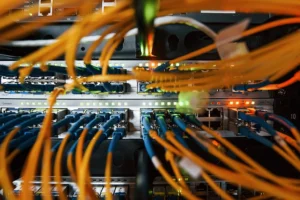
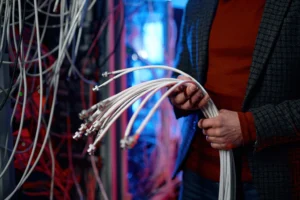
Security systems depend on reliable infrastructure. Poor cabling or network design can cause failures and downtime. Structured cabling provides a stable foundation. It supports data transmission and power delivery. Proper cable routing and labeling simplify maintenance. Well-documented infrastructure improves troubleshooting. Reliable cabling ensures that security systems perform consistently.
Prioritizing Monitoring, Alerts, and Response
Detection alone is not enough. Security systems must support quick response. Monitoring solutions should provide real-time alerts. These alerts may go to on-site staff or remote monitoring centers. Clear response procedures should be established. Staff must know how to act when incidents occur. Fast response reduces damage and improves safety.
Balancing Security with User Experience
Security should not interfere with daily operations. Overly complex systems can frustrate employees and visitors. User-friendly design improves compliance and efficiency. Access systems should be simple and intuitive. Clear signage helps guide visitors. A balanced approach ensures strong security without disrupting productivity.
Budgeting and Long-Term Cost Considerations
Security investments should be evaluated over time. Initial costs are only part of the picture. Low-cost systems may lead to higher maintenance expenses. Frequent upgrades can increase long-term costs. Quality systems offer better durability and performance. Planning for the total cost of ownership leads to smarter investments and fewer disruptions.
Partnering with Experienced Security Professionals
Designing a commercial security system is complex. Professional expertise adds significant value. Experienced providers understand risk assessment and system integration. They ensure compliance with standards and best practices. Professional installation includes testing and documentation. Ongoing support improves system reliability. A trusted partner helps deliver long-term security success.
Conclusion
Designing a commercial security system requires thoughtful planning and informed decisions. Businesses must consider risks, scalability, integration, and infrastructure reliability. User experience and compliance also play important roles. A well-designed system does more than prevent incidents. It supports safe operations and business continuity.
JNL Systems partners with commercial organizations to design security solutions that are practical, scalable, and built for real-world demands. From risk assessment and system design to professional installation and documentation, JNL Systems delivers security solutions that perform reliably today while remaining adaptable for the future. Contact JNL Systems to build a security foundation that provides clarity and control for your business.